
-
Benefits of Personal Bail Bond Services
After an arrest, the first thing on your mind is getting out of custody. This usually means posting bail, but the process can be confusing, especially if you’ve never been in this situation before. Personal bail bond services make things easier. A bail bondsman can secure your release without requiring you to pay the full bail amount. When you want to return home as soon as possible, working with a bail bondsman is often the fastest, most practical solution.

What Are Personal Bail Bond Services?
When someone is arrested, the court often sets bail as a financial guarantee that the defendant will return for future court appearances. When the amount is too high to pay in full, bail bond services can step in and post a surety bond on the defendant’s behalf. This allows the individual to return home and begin preparing for upcoming court dates.
The Difference Between Bail and a Surety Bond
Many people confuse these two terms, but they have important distinctions.
What Is Bail?
Bail is the amount of money that allows someone who has been arrested to be released from jail. The court sets the amount based on the charges, criminal history, and the likelihood that the defendant will appear in court.
Paying cash bail directly to the court means covering the entire amount upfront. If the defendant attends all required court appearances, the bail money is typically returned at the end of the case, minus any administrative fees.
What Is a Surety Bond?
A surety bond is a type of bond posted by a bail bond agent. Instead of paying the full amount to the court, you pay a non-refundable service fee to the bondsman, who then posts a surety bond on your behalf. This guarantees the remaining amount to the court if you fail to appear. Surety bonds make release from jail possible for people who can’t pay thousands of dollars upfront.
What Are the Advantages of Using a Bail Bondsman?
Working with a bail bond agent who takes the time to handle your case personally can make a stressful, time-sensitive situation much easier to manage. Here are the benefits you can expect.
Lower Upfront Cost Than Paying Full Bail
Bail amounts can be prohibitively high. Depending on the charges and other circumstances, the court may set bail at $10,000 or more. For many families, paying the full amount directly to the court is not realistic.
Bail bond services are much more affordable. Defendants can secure their release by paying just 10% to 15% of the total bail amount to a bondsman. Down payments as low as 3% may also be available if the bond amount is too high to pay at once. For many, this is the biggest benefit of bail bonds.
Faster Release from Jail
Time moves slowly when you’re in custody. Once bail is set and the necessary information is gathered, a bail bondsman can start on your case right away. Bail agents regularly work with local jails and detention facilities, so they understand how the system works and what steps to take. After the bond is posted and approved, jail staff can begin processing your release and speed up your return home.
Professional Guidance and Support
Most people have little experience with the bail system. After an arrest, it doesn’t take long for the process to become confusing and stressful. A bail bond agent can help guide you through what happens next.
You can call 24/7 to get answers to your questions, learn what information is needed for release, and understand the requirements to keep the bond in good standing. Speaking with an experienced professional reduces uncertainty during an already difficult time.
Privacy and Confidential Handling
An arrest can be embarrassing and stressful. Experienced bail bond agents understand the importance of protecting your privacy while helping to secure your release from jail. Trust a professional company to handle your case discreetly and treat your situation with the care it deserves.
Better Case Preparation
Preparing for court while in jail is harder than it should be. Communication with family members, employers, and legal counsel is limited inside a detention facility. Once you’re no longer in custody, you can meet with an attorney, gather documents, and organize the details of your case. Returning home also makes it easier to keep up with work and family obligations, even while preparing for upcoming court appearances.
We Are the Key to Your Release
1st Choice Bonding & Surety has helped clients post bail for more than 20 years, with 6 locations serving Concord, Salisbury, and Gastonia, NC. Our team is available 24/7 and responds to calls in 5 minutes or less because we know every minute counts when someone’s in custody. If you or a loved one has been arrested, contact us today so we can begin the process of getting you home.
FAQs
How long does it take to get released after a bail bond is posted?
Release times depend on the jail’s procedures and current processing volume. In many cases, staff can begin working on your case shortly after the bond is posted, meaning you could return home within a few hours.
Who can contact a bail bondsman to start the process?
A family member, friend, or the defendant themselves can make the call. The agent will ask for the name of the person in custody, the jail where they’re being held, the bail amount, and the charges, if known. You can speed up the process by having this information ready before you call.
Do bail bondsmen work at night or on weekends?
Yes. 1st Choice Bonding & Surety understands that arrests can happen at any time, so our agents are available to take your call 24/7.
What happens if I miss a court date?
Missing a court appearance may result in legal consequences, so make every effort to attend. If you can’t make your court date, contact your bond agent and attorney right away to discuss your options.
-
7 Reasons to Work with a Local Bail Bond Agent
If you or a loved one has been arrested, every minute spent in jail feels painfully long. When a fast release is your top priority, but funds are limited, a local bail bonds service can help. A bail bond agent’s job is to handle the financial guarantee required for your release from jail while guiding you through the legal process.
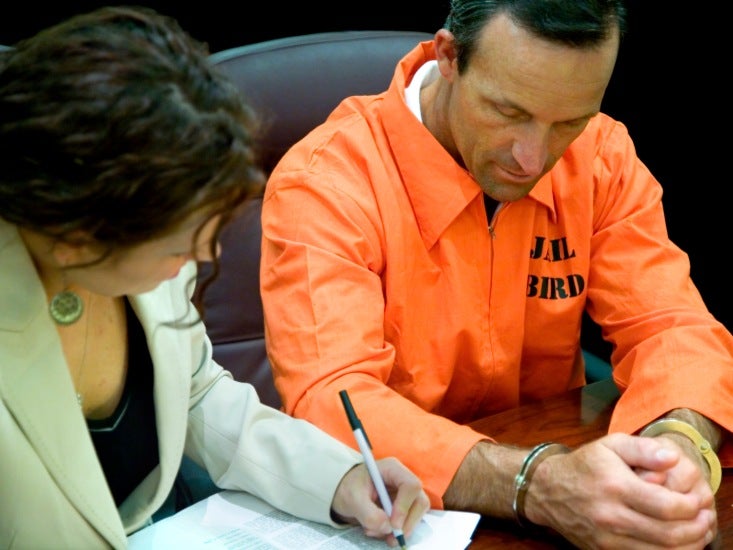
If you live in Concord, Salisbury, or Gastonia, working with a local 24-hour bail bonds service in North Carolina can mean the difference between a long wait and getting home tonight. Here are seven ways a nearby agent who works around the clock can speed up the process and reduce your stress during a difficult situation.
1. Knowledge of Local Court Processes & Bail Requirements
Every county handles bail procedures slightly differently. A bail bond agent who regularly works in Cabarrus, Rowan, or Gaston County understands how area courts process bonds and what documentation they require. This familiarity helps avoid delays caused by incorrect paperwork or missing information. Local agents also know the procedures for nearby jails and court offices, which allows them to move through the process efficiently.
2. Faster Response and Shorter Wait Times
Arrests can occur late at night, on weekends, or during holidays. Access to local 24-hour bail bonds helps prevent unnecessary time behind bars. A 24/7 bail bond agent in Concord, NC, can respond quickly and begin the bond process right away. Instead of waiting for an out-of-area company to coordinate paperwork or a limited-hours service to return your call, a local agent with 24-hour availability can start on your case within minutes.
3. Personalized Support from Someone in Your Community
Partnering with a North Carolina provider often means working with someone who lives and works in the same community. Local bail bond agents treat clients with respect and patience. They take the time to answer questions and walk you through the process. This direct communication from someone who understands the pressure you’re facing reduces confusion and stress.
4. Relationships with Law Enforcement and Jail Staff
Local agents regularly interact with North Carolina jails and detention centers. Because they know how specific facilities operate, they understand where to submit paperwork, who handles processing, and what steps come next. These established connections keep communication open and ensure documentation reaches the right place quickly.
5. Upfront Fees and Honest Payment Options
The last thing you need during an arrest is confusion about costs. A reputable bail bond agent will explain the following details before asking you to sign anything:
- The bond fee is a small percentage of the total bail amount. The exact cost depends on your situation and will be outlined clearly.
- A down payment and installment plan may be available if the bond amount is too high to pay at once.
- The bond fee is non-refundable.
- Collateral may be required for larger bonds.
- The defendant must appear in court as required.
- If the defendant misses a court date, the bail bond agent may help request a new court date under certain circumstances.
6. Convenient Phone & In-Person Assistance
When someone you care about is in jail, you don’t want to sit around waiting for answers. A nearby 24/7 bail bond agent can speak directly with you by phone or meet in person if needed. Being able to talk to someone locally makes it easier to get answers to urgent questions and begin the bond process without delay.
7. Smoother Processing & Faster Release
All of these advantages work together to speed up the release process. A knowledgeable bail bond agent handles the paperwork, coordinates with the jail, and submits the bond as soon as possible. The goal is simple: complete the process so the defendant can be released from custody and prepare for an upcoming court appearance. When you choose local bail bonds, you get efficiency and support when you need it most.
Helpful Tips for First-Time Clients
If you don’t know much about local bail bonds, the process may be confusing. To help things move faster, keep these tips in mind when contacting a 24/7 bail bond agent:
- Have the full name of the person in custody.
- Know which jail or detention center the person is being held at.
- Confirm the exact bail amount set by the court.
- Keep your phone nearby for follow-up questions.
- Bring your ID and any requested documents if meeting in person.
Get Fast Help When You Need It Most
The sooner you connect with a trusted bail bond agent following an arrest, the sooner you can be released. 1st Choice Bonding & Surety has spent the last 20 years helping clients in Concord, Salisbury, and Gastonia, NC. We respond to calls in 5 minutes or less, no matter the time of day, and offer down payments as low as 3% on most bonds. When legal challenges arise, you need a trusted team by your side. Contact us now so we can begin processing your release.
FAQs
Can a bail bond be arranged outside normal business hours?
Yes. 1st Choice Bonding & Surety is available 24 hours a day, so you can contact us anytime to arrange a bond.
How quickly can a bail bond agent start the release process?
The process begins as soon as you provide the necessary information about the arrest and bail amount. With our 24/7 availability and 5-minute response time, we can start the paperwork almost immediately.
How long does the release process take?
Some people are released a few hours after posting bail, while others must wait longer. It all comes down to the jail’s current workload and the paperwork involved. Your bail bond agent will do everything possible to speed things up.
What happens after being released from jail on bail?
After release, the next step is to prepare for the upcoming proceedings from home. To keep the bond in good standing, you must attend all scheduled dates and follow any other conditions set by the court. Failure to appear may result in additional legal consequences.
-
What to Expect When Using Bail Bond Services in Concord, NC
Nothing turns your day upside down quite like getting arrested. The fastest path out of jail often involves contacting a bail bondsman. A 24/7 bail bonds service that understands the urgency of the situation can help secure your release as quickly as possible. Find out more about bail bonds, how the process works in Concord, NC, and what to expect every step of the way.

What Is a Bail Bond?
A bail bond allows someone who has been arrested to leave jail while their legal case proceeds. Courts set a bail amount as a financial guarantee that the defendant will appear in court later, but paying the full amount out of pocket is unrealistic for many people.
That’s where jail bail bond services step in to help. Instead of paying the amount in full, the defendant or their family pays a small percentage as a non-refundable fee to a bail bondsman. The bondsman then posts a surety bond with the court, allowing the person to be released from jail.
How Bail Bonds Work in Concord, NC
Posting bail in Concord follows the procedures established under North Carolina law. After an arrest, the defendant usually appears before a magistrate or judge, who determines whether bail will be granted and, if so, what the amount will be.
Courts consider several factors when determining bail, including the alleged offense, criminal history, and the likelihood that the defendant will appear in court. Once bail is set, the person can either pay the full amount directly to the court or work with a bail bonds service. Many families go the bail bondsman route because it requires far less money upfront to secure release.
Cabarrus County detention facilities process a large number of arrests each year, which makes an emergency bail bonds service especially important. Only a 24/7 service answers calls at all hours and begins the process as soon as bail is set, reducing the time the defendant spends behind bars.
Step-by-Step Overview of the Bail Bond Process
The process moves quickly when everyone understands what’s involved. Familiarize yourself with each step and don’t hesitate to contact a professional bail bonds service with any questions:
- Initial contact: A family member or friend contacts the bail bondsman with basic details, including the defendant’s name, the jail location, and the charges, if known.
- Bond review: The bail bondsman confirms the bail amount and reviews the case details. This determines the cost of the bond and helps the bondsman prepare the paperwork.
- Agreement and payment: The defendant or their representative signs an agreement with the bail bonds service and pays the requested fee, often 10% to 15% of the total bail amount.
- Posting the bond: The bondsman posts a surety bond with the court or jail, guaranteeing the full bail amount if the defendant fails to appear in court.
- Jail processing and release: Jail staff members process the bond and complete administrative steps. Once everything clears, the defendant is released from custody.
Expected Timeline and Influencing Factors
Release times vary, even after posting bail. Some people are permitted to leave within a few hours, while others must wait longer. Common factors that influence the timeline include:
- Jail processing workload
- Accuracy of the paperwork
- Time of the arrest
- Verification procedures
What to Expect from an Emergency Bail Bonds Service
Emergency situations require a fast response. Here’s what to expect from a 24/7 bail bonds service:
- Round-the-clock availability
- Rapid response after the initial call
- Immediate processing once bail is set
- Assistance with navigating the jail release process
- Communication updates all along the way
Benefits of Working with a Professional Bail Bonds Service
Paying the full bail amount is often unrealistic. A professional bail bonds service reduces the financial burden while still securing a defendant’s release from jail. Here’s how families benefit from working with a bondsman:
- Fast financial solution
- Low upfront cost
- Flexible payment options
- Reduced pressure during an already stressful time
What Are the Risks of Using a Bail Bondsman?
Bail bonds are used in a large share of money-bail cases in North Carolina. The process is common and legal, but it’s important to understand the risks and responsibilities involved to avoid surprises:
- The bond fee is non-refundable.
- Collateral may be required for larger bonds.
- The defendant must appear in court as required.
- Missed court appearances can lead to additional legal trouble.
- The bondsman may take steps to locate the defendant if they miss a court date.
Need Help Fast? Contact 1st Choice Bonding & Surety
Getting arrested in Concord creates pressure to act fast. Immediate access to a reliable bail bonds service makes all the difference. When you need to get home and prepare for the next steps, no one helps faster than 1st Choice Bonding & Surety.
Our team responds in 5 minutes or less, 24 hours a day, with services backed by over 20 years of experience. We accept down payments as low as 3% on most bonds to secure your release without undue financial strain. If you have been arrested in Concord, NC, or know someone who has, now is the time to act—contact our team right away to begin the bail bond process.
FAQs
Do I need to visit the jail to arrange a bail bond?
Not always. We often begin the process by phone to move things forward quickly. All we need is basic information about the arrest, and we can start the paperwork. Once the bond is arranged, we post it on the defendant’s behalf so the release process can begin.
What information should I have when contacting 1st Choice Bonding & Surety?
Be prepared to state the defendant’s full name, the jail where they’re being held, and the charges, if known. This helps us locate the case in the jail system and confirm the bail amount so we can begin arranging the bond.
What happens if the defendant accidentally misses a court date?
Our team works with clients to address the situation quickly. We know life happens, so when possible, we help clients take the necessary steps to secure a new court date.
-
Limitations on Bail
What You Need to Know About Limitations on Bail in NC
When someone is arrested, securing bail can be a critical first step toward regaining some sense of normalcy. But while getting out on bail is a relief, it’s not a free pass. If you’re released on bail in Concord, NC, it’s important to understand the limitations on bail bonds and punishments that may follow if those terms are violated. At 1st Choice Bonding & Surety, we’re here to help you or your loved one navigate the process confidently and responsibly.

What Is Bail?
Bail is a financial agreement that allows a person accused of a crime to be released from jail while awaiting trial. In most cases, the court sets a monetary amount based on the severity of the crime, criminal history, and flight risk. Bail acts as a guarantee that the accused will return to court after their arraignment for scheduled appearances.
Definition and Purpose of Bail
Bail isn’t a punishment. It’s a legal tool meant to uphold the presumption of innocence while ensuring the accused shows up for court. The idea is to balance the rights of the accused with public safety and court efficiency. However, bail often comes with specific terms and conditions to prevent further legal issues or flight.
Common Bail Restrictions in Concord, NC
When someone is released on bail, it’s not without conditions. These bail bond limitations are decided on a case-by-case basis by the court and must be followed closely to avoid serious consequences, like rearrest, bail revocation, or additional charges. Here are some of the most common restrictions you might encounter while out on bond in Concord, NC.
Obey All Laws
Getting arrested again—especially for the same offense—can affect your trial and potentially result in a higher sentence. Courts expect those released on bail to follow the law at all times. Even minor offenses like traffic violations can raise red flags.
No Drug or Alcohol Use
If your charges are drug- or alcohol-related, expect strict limitations. In many cases, the court will require complete abstinence from drugs and alcohol while out on bail. Random testing may be part of the condition. Violating this can mean immediate jail time and impact your standing in court.
Surrender of Weapons
In certain cases—especially those involving violence or weapons offenses—the court may require the individual to surrender any firearms or dangerous weapons. This condition is intended to reduce the potential for harm while the legal process is ongoing.
Seek or Maintain Employment
Courts often prefer that people on bail are actively working. If you’re unemployed when you’re released, you may be required to seek and secure employment during your pre-trial period. Having a job shows the court you’re taking steps to stay accountable.
No Contact Orders
If your charges involve a specific victim or co-defendant, the court may order you to have no contact with them. This includes phone calls, messages, social media contact, and going near their home or workplace. Violating a no-contact order can lead to immediate jail time.
Travel Restrictions
Most bail agreements include travel limitations, often requiring you to stay within your home county or the state of North Carolina. Traveling outside Concord without permission can be seen as an attempt to flee. Always check with your lawyer before making any travel plans.
Consequences of Violating Bail Terms
Violating any of the bail conditions—whether travel restrictions or contact orders—can result in:
- Immediate arrest
- Revocation of bail
- Loss of the bail amount posted
- Additional criminal charges
- A longer jail sentence if convicted
How to Stay Compliant with Bail Bond Limitations
Being out on bail is a responsibility. Here’s how to stay in compliance:
- Know Your Conditions: Don’t assume anything. Ask your bail agent or attorney for a clear explanation of your bond terms.
- Stay Local: Don’t leave Concord, NC, or the surrounding area without written permission.
- Attend All Court Dates: Missing even one can result in an arrest warrant.
- Avoid Risky Situations: Stay away from known offenders, parties, or any illegal activities.
- Communicate Openly: If anything changes—your address, work status, or transportation—let your bail agent know immediately.
Get Bail Bond Help in Concord, NC
If you’ve been released on bond and need help understanding the limitations on bail bonds in Concord, NC, 1st Choice Bonding & Surety is here to walk you through it. We’ll help you understand your bail conditions, avoid common mistakes, and make sure you stay on the right path while your case is pending. Whether you’ve got questions about bail time limits, travel restrictions, or how no limit bail bonds work, we’ve got your back. Contact us today for straightforward answers and local support you can trust.
-
Bail Bondsman Fees
Bail Bonds Fees: What to Expect in Concord, NC
When someone you love is arrested, one of the first things families ask is: “How do we get them out of jail fast—and how much will it cost?” At 1st Choice Bonding & Surety, we understand the urgency and stress that comes with posting bail. In this guide, we’ll explain what bail bonds are, how they work, and what you need to know about bail bonds fees in Concord, NC.

What Are Bail Bonds and How Do They Work?
When someone is arrested, the court often sets a bail amount—money that must be paid to release the person from custody until their court date. This bail acts as a guarantee that the defendant will appear in court.
Because bail amounts can be high, most people turn to a bail bondsman for help. The bondsman posts the full bail on your behalf, and in return, you pay a bail bondsman fee, which is a small percentage of the total bail. This service allows your loved one to return home quickly, without having to pay the full amount upfront.
What Is a Bail Bondsman Fee?
A bail bondsman fee is the charge you pay for the bondsman’s service in securing someone’s release from jail. In North Carolina, this fee typically ranges from 10% to 15% of the full bail amount, depending on the case.
For example, if bail is set at $5,000, the bail bond fee will usually be $500 to $750. This amount is non-refundable, as it covers the risk and administrative costs involved in posting the bond.
We follow all state-approved fee structures and never surprise you with unexpected charges.
Why Do Bail Bond Fees Exist?
Bail bond fees exist because a bail bondsman takes on a financial risk to secure a defendant’s release from jail. Here’s why the fee is necessary:
- Risk Coverage – When a bail bondsman posts bail, they’re promising the court that the defendant will appear for all scheduled hearings. If the defendant skips court, the bondsman is on the hook for the full bail amount. The bail bondsman fee (typically 10–15%) helps offset that risk.
- Upfront Capital – Posting bail ties up the bondsman’s funds, sometimes for months. The fee helps cover the cost of using that capital and ensures the business can continue helping other clients in similar situations.
- Administrative Work – There’s paperwork, coordination with different jails and courts, and ongoing monitoring involved in every bond. Bail bond fees help cover these operational costs, including staffing, licensing, and 24/7 availability.
- Legal and Regulatory Compliance – Bail bondsmen must meet strict state licensing requirements and operate under regulated fee structures. The fee compensates for the cost of compliance, insurance, and legal oversight that helps protect consumers.
How Much Is a Bail Bondsman Fee in Concord, NC?
The exact cost of a bail bond can vary based on a few key factors, but most bail bondsman fees in Concord, NC fall within that 10–15% range. Here’s what may affect your final fee:
- The bail amount set by the court
- The type and severity of the charges
- The defendant’s history of appearing in court
- Whether collateral is required to secure the bond
Need a quick estimate? Our team is available 24/7 to walk you through your specific situation and give you a clear cost breakdown.
Hidden Costs to Watch For
Not every bail bond agency is upfront about fees. We pride ourselves on transparency, but it’s important to know what to look out for elsewhere. Before signing any agreement, always ask for a full breakdown of fees. Common hidden costs of bail bonds may include:
- Application or processing fees
- Interest charges if you opt for financing
- Late fees for missed payment plan deadlines
- Recovery or forfeiture fees if the defendant skips court
- Collateral management or storage fees
These costs can add up quickly and catch you off guard if you’re not careful.
Factors That Influence Bail Bondsman Fees
Several variables can affect how much a bail bonds fee will be:
- Bail Amount – Since the fee is a percentage, the higher the bail, the higher the fee. A $10,000 bail could mean a $1,000–$1,500 bondsman fee.
- Case Risk – If the defendant is seen as a flight risk or has skipped court in the past, additional terms or collateral may be required.
- Collateral – In some cases, property or vehicles may be used as security against the bond. This doesn’t impact the fee directly but can affect approval.
- Payment Terms – While many bail bond companies offer payment plans, they may come with hidden fees. At 1st Choice, we offer flexible, interest-free payment options with complete transparency.
Tips for Managing Bail Bond Costs
Being prepared can help ease the financial burden. Here are some smart tips to manage bail bond expenses:
- Choose a reputable, licensed bail agency with a history of honest service.
- Make sure you get a written breakdown of all fees before signing.
- Ask about payment plans and make sure you understand the terms.
- Avoid missed court appearances, which can result in forfeited bonds and lost collateral.
- Use a Licensed Bondsman to avoid legal and financial complications.
Your Honest Partner in Concord
If you’re looking for clear, honest bail bonds fees in Concord, NC, 1st Choice Bonding & Surety is your trusted local partner. We know this process can feel overwhelming, so we focus on being upfront and honest about costs. Contact us whenever you need answers or fast support. We’re available 24/7. When it comes to bail bondsman fees in Concord, you can count on 1st Choice Bonding & Surety.
-
What Is a Collateral Loan, and How Does It Work?
All About Collateral Loans in the Concord, NC Area
When someone you care about gets arrested, your first thought is usually: How fast can I get them out? But posting bail can be expensive, especially if you don’t have the full amount in cash. A collateral loan might be just what you need.
At 1st Choice Bonding & Surety, we help families navigate the bail bond process by offering affordable, fast options, including collateral loans in the Concord, NC area. Even if you have bad credit, you might still qualify to secure bail and get your loved one home.

What Is a Collateral Loan?
A collateral loan is a loan that’s backed by something valuable you own. That “something” is called collateral. It could be your car title, jewelry, house deed, or even expensive electronics.
When we talk about personal collateral loans in the context of bail, it just means you’re offering something you already own in exchange for us putting up the money to get your loved one released.
And don’t worry—we don’t take your stuff. Your property stays yours as long as the person you bailed out goes to court like they’re supposed to.
How Does a Collateral Loan Work?
If you’re considering a personal collateral loan to help bail your loved one out of jail, you’ll need to know how the process works. Here’s a step-by-step guide:
- A person is arrested, and bail is set.
- Let’s say the court sets bail at $20,000.
- You contact a bail bond company.
- Instead of paying the full $20,000, you pay a non-refundable fee, usually 10% (in this case, $2,000).
- Collateral is requested. What is collateral for a loan? This could be:
- Real estate
- A vehicle title
- Jewelry
- Bank account funds
- A legally binding promissory note
- The lender evaluates your collateral.
- They assess the value of the asset to ensure it covers the loan amount.
- The company posts the full bail with the court.
- The defendant is released from jail.
- The defendant must appear in court.
- As long as they attend all required court dates, the case will be resolved, and the bail bond ends.
- If the defendant skips court:
- The bail bond company becomes responsible for the full bail amount.
- They have the legal right to take and sell the collateral to recoup losses.
- If the defendant is found and is brought in, the collateral may still be returned, minus any recovery costs.
Types of Collateral Loans
Collateral loans vary based on the type of asset used and the purpose of the loan. Common types include:
- Personal Collateral Loans: Secured with personal property such as electronics, jewelry, or collectibles.
- Vehicle Title Loans: Use your vehicle title as collateral.
- Real Estate Collateral Loans: Use home equity or property deeds to secure the loan.
Benefits of Collateral Loans
Collateral loans come with some real advantages—especially if your credit isn’t perfect:
- Easier to Qualify: Even with bad credit, you may get approved.
- Lower Interest Rates: Since there’s less risk to the lender, your rate may be better.
- Access to More Money: You can borrow larger amounts based on the value of your collateral.
- Quick Turnaround: Many lenders offer same-day or next-day funding.
This makes them ideal for time-sensitive situations, like posting bail fast or handling a family emergency.
Risks and Things to Consider
Collateral loans aren’t without risk. Before signing anything, make sure you understand the full picture:
- You Could Lose Your Collateral: If you can’t repay the loan, you may lose your car, savings, or home.
- You’re Still Taking on Debt: If you’re already financially strained, think carefully about repayment.
- Not All Lenders Are the Same: Some lenders have predatory practices, so work with a trusted local name.
How to Apply for a Collateral Loan With 1st Choice
Ready to move forward? Applying for a collateral-backed bond is simple. Here’s what to do:
- Call us anytime, 24/7.
- Tell us the name of the person in custody, their jail location, and their charges.
- We’ll verify the bond amount and explain your options.
- Decide what you can offer as collateral.
- Bring documentation for your collateral (like a title or deed).
- Get a quote and review loan terms.
- We handle the paperwork and post bail fast.
Our team is local to Concord, NC, and we understand how the courts here work. That means we can move quickly to get things done.
Where to Find Collateral Loans in Concord, NC
If you’re looking for bad credit no collateral loans online, chances are you’ve run into high fees or shady lenders. That’s why working with a local, licensed bail bonding company like 1st Choice Bonding & Surety is your safest option. We serve Concord, NC, and surrounding communities with:
- Affordable bail bond services
- Collateral loan options
- No-judgment consultations
- 24/7 support in urgent cases
We’re not here to make things harder—we’re here to make them possible.
We Can Help
We understand that life doesn’t always go as planned. That’s why we treat every client with dignity and respect. No judgment, just solutions. A loved one’s arrest can be overwhelming, especially if finances are tight. But you’re not out of options.
A collateral loan for bail can be the lifeline that gets your loved one home. At 1st Choice Bonding & Surety, we help people just like you every day with fast, flexible bail bonding services in Concord, NC.
Contact us today. We’re here to answer your questions and explain your options.
- A person is arrested, and bail is set.
-
Why Do People Choose Bail Bonds Overpaying Bail in Full?
Why Do People Choose Bail Bonds Overpaying Bail in Full?
Do you or a loved one need bail? The goal is simple: get out of jail and get back to life. But should you pay bail in full or go with a bail bond? Because of the financial and practical implications, you should understand these choices thoroughly before deciding. Here’s why people often turn to bail bonds rather than paying bail in full.
How Do Bail Bonds Work?
A bail bond or surety bond is an agreement that allows a defendant to be released from jail while awaiting trial without paying the full bail amount. Imagine bail is set at $8,000—too steep for many people to pay in cash. This is where a bail bond comes in. You work with a bail bondsman, who covers most of the bail on your behalf in exchange for a fee, typically 10% to 15% of the bail amount. So, in this example, you would pay $800 to $1,200 instead of the full $8,000.
The bail bondsman then becomes responsible for ensuring you appear in court. If you follow through, the bail amount will be refunded to the bondsman, and your case will proceed as scheduled. However, if you don’t, both you and the bondsman will face legal consequences. In short, a bail bond eases the financial burden while still holding you accountable.Types of Bail
There are three primary types of bail designed for different situations:
- Cash bail: If you have the financial means, you can pay the entire bail amount upfront in cash. If you attend all required court dates, you’ll get your money back at the end of the legal process.
- Bail bond: This is the most common way defendants post bail. It enables you to get out of jail without emptying your bank account while still remaining accountable.
- Property bond: If you lack cash but own property, a property bond may be an option. Here, you pledge real estate or other valuable assets as collateral. However, if you don’t show up to court, the property you used as collateral may be forfeited.
How to Apply for a Bail Bond in North Carolina
Follow these steps to apply for a bail bond in Concord, Salisbury, Gastonia, or the surrounding areas:
- Contact a reputable bail bondsman: 1st Choice Bonding & Surety is available 24/7 and responds in 5 minutes or less to help you post bond without delay.
- Provide necessary information: Be prepared to provide the defendant’s full name, the charges, the bail amount, and the location of the jail.
- Sign the agreement: The contract outlines the terms and conditions of the bond, including the defendant’s responsibility to attend all court dates.
- Pay the fee: Pay just a fraction of the total bill to the bondsman, who will cover the rest on your behalf.
- Await release: Once the paperwork is complete and the bondsman posts bail, the defendant is typically released within hours. Preparing a legal defense from home is much easier and less stressful than doing so behind bars.
Pros of Bail Bonds
Bail bonds come with several benefits, making them a practical choice for many:
- Affordability: Sometimes, bail is set prohibitively high, which makes paying the full amount unrealistic. Bail bonds bridge the financial gap so defendants aren’t stuck in jail solely due to the inability to pay.
- Speed and efficiency: Bail bondsmen work quickly because they know time is of the essence. Those with 24/7 availability ensure that even late-night arrests don’t have to mean extended jail time.
- Legal guidance: If it’s your first encounter with the criminal justice system, you may be unfamiliar with the bail process. Your bondsman can explain each step so you know what to expect.
Cons of Bail Bonds
Despite the benefits, bail bonds have some potential downsides to keep in mind:
- Non-refundable fees: The fee paid to the bail bondsman is the cost of the service, so unlike cash bail, it won’t be refunded.
- Collateral requirements: In cases involving a high bail amount or specific risks, you may need to put up collateral, which adds risk to the agreement.
- Conditional release: Accepting a bail bond means you agree to attend every court appearance. Skipping a court date could lead to your re-arrest or losing collateral.
Bail Bonds Are the Fastest Path to Freedom
When legal challenges arise, you need a trusted team by your side. With over 20 years of experience and 6 locations in Concord, Salisbury, and Gastonia, 1st Choice Bonding & Surety is the key to your release. We are committed to getting you back home and back on track by accepting down payments as low as 3% on most bonds. We also believe in second chances, so if you ever miss a court date, we’ll work with you to reschedule. Don’t wait—contact us today to get on the fastest path to freedom.
-
How to Get a Bail Bond in Domestic Violence Cases
How to Get a Bail Bond in Domestic Violence Cases in NC
Facing a domestic violence charge is an incredibly difficult experience, both for the accused and their loved ones. The process can be confusing and intimidating, so if you or someone close to you has been arrested for domestic violence, learn about the bail process to reduce stress and ensure a swift release from jail.

What Is Considered Domestic Violence in North Carolina?
Domestic violence is a criminal act perpetrated against a spouse, current or former romantic partner, family member, or someone living in the same household. Consult a domestic violence lawyer to understand the specific charges against you.
Some prevalent offenses related to domestic violence include:- Assault: Physical attacks causing harm or fear of harm
- Battery: Unlawful physical contact or use of force
- Stalking: Repeatedly following or harassing someone, causing fear
- Harassment: Unwanted behavior causing emotional distress
- False imprisonment: Restricting someone’s freedom of movement without legal authority
- Kidnapping: Forcibly taking or restraining someone against their will
- Sexual abuse: Any non-consensual sexual act
- Child abuse: Physical, emotional, or sexual abuse directed at a minor
- Elder abuse: Physical, emotional, or financial abuse directed at an elderly person, particularly if the abuser is in a position of trust or care
Legal Rights for Domestic Violence Defendants
As a defendant, you have certain legal rights that protect you throughout the process. Working with a domestic violence attorney is the first step to ensuring these rights are respected.
The most prominent rights of domestic violence defendants include:- The right to be presumed innocent until proven guilty
- The right to an attorney
- The right to a fair and impartial trial
- The right to present evidence in your defense
- The right to be free from unreasonable searches and seizures
The Procedure for Bail Bonds in Domestic Violence Cases
The bail process for domestic violence cases in North Carolina follows several steps:
- Arrest and booking: Following an arrest for domestic violence, the accused is taken to a local jail, where the booking process begins. This includes recording personal details, taking fingerprints, noting the charges, and gathering other pertinent information.
- Initial court appearance: Within 48 hours, the defendant will have an initial appearance before a judge, who will set the bail amount based on the severity of the charges, the defendant’s prior criminal history, and the likelihood of fleeing.
- Posting bail: If the judge sets bail, you can secure your release by paying the full amount or obtaining a bail bond through a licensed bail bondsman. Bail bonds are often preferred, especially when the bail amount is high. Note that in domestic violence cases, defendants are usually put on a 24-hour hold before being permitted to post bail.
- Release: Once the bail is posted, the defendant is released from jail and expected to return on all future court dates. Failure to appear results in further penalties and may require the bondsman to locate the defendant and bring them back into custody.
How to Get a Domestic Violence Bail Bond in North Carolina
Securing a bail bond is usually the best option when faced with a high bail amount. Here’s what the process entails in North Carolina:
- Determine the bail amount: Bail could be set as low as $500 to $1,000 for minor first offenses. Repeat or severe offenses lead to far higher amounts or even denial of bail.
- Contact a bail bondsman: Once bail is set, call a reputable bail bondsman for help. This licensed professional will post bail on your behalf for a fee totaling 10% to 15% of the full amount. For instance, if bail is set at $5,000, expect to pay $500 to $750 to secure a bond.
- Sign the bail agreement: This contract states that the defendant will attend all future court dates or be liable for the full bail amount.
- Release from custody: With the paperwork and payment complete, the bondsman posts bail, and the defendant is released from jail. They are free to return home and begin preparing for court appearances.
Ready to Secure Your Release? We’re Here to Help
Time is of the essence when securing your release or that of a loved one facing a domestic violence charge. 1st Choice Bail Bonding & Surety is the best option for getting you back home and back on track because we accept down payments as low as 3% on most bonds. We have over 20 years of experience and multiple locations across Concord, Salisbury, and Gastonia, NC, to better serve you. Our goal is to build lasting relationships with our clients, so we offer flexible solutions if you need assistance rescheduling a missed court date. Our team is available 24/7, and we respond in 5 minutes or less, so don’t wait another moment—contact us today!
-
What Happens at an Arraignment?
What Happens at an Arraignment in NC?
When you’re charged with a crime, your first court appearance will probably be an arraignment. This can be a confusing and stressful experience, especially if you’re unfamiliar with the process. Learn what a formal arraignment is and how it affects things like bail and release.

What Is a Formal Arraignment?
An arraignment is a court procedure where you are formally charged with a crime and asked to enter a plea of “guilty,” “not guilty,” or “no contest.” It’s among the first steps in the legal process, with the primary goal of ensuring the defendant (the person accused of a crime) fully understands the charges against them.
An arraignment allows the court to review your case quickly and gives you the opportunity to post bail before your trial. A magistrate or judge typically handles the proceedings, reading out the charges and any pertinent details related to the allegations.
The Arraignment Process in Civil Cases
Arraignments in civil cases are rare but do sometimes occur. Civil cases start when the plaintiff (the person or party filing the charge) brings a formal complaint to the court. Once filed, the court notifies the defendant, allowing them to respond and appear before the court. This stage permits both sides to consider settling the dispute out of court or through alternative dispute resolution (ADR) methods like mediation.
Bail and bond are generally not involved in civil cases. Still, the arraignment provides structure and guidance for how the legal proceedings will unfold. It allows both parties to understand the court’s expectations and the potential legal consequences of moving the case forward.
The Arraignment Process in Criminal Cases
While the purpose of an arraignment is the same across the US, each state has slightly different procedures, and North Carolina is no exception. Here’s what to expect:
- Timing: Arraignments happen quickly, often within 48 to 72 hours of an arrest. This rapid scheduling ensures defendants are not held for an unreasonable time without formal charges. For serious offenses, arraignment often happens within 24 hours.
- Charges and allegations: During the arraignment, the judge reads the charges out loud to the defendant and others in attendance. These charges are based on an indictment, a formal statement that lists each alleged crime.
- Entering a plea: At the arraignment, defendants are required to enter a plea. Pleading “not guilty” means the defendant intends to contest the charges. Pleading “guilty” or “no contest” could lead to sentencing or plea negotiations without a trial.
- Appointment of legal counsel: At this stage, defendants who cannot afford an attorney will have one appointed. The right to legal counsel ensures fair representation for all.
- Bail and release conditions: Before deciding on bail, the judge considers multiple factors, such as the severity of the charges, prior criminal history, and the risk of fleeing. In some cases, the judge may deny bail if they believe the defendant poses a significant risk. However, if the judge allows bail, it is posted to secure the defendant’s temporary release. This arrangement is known as an arraignment bail bond and allows the defendant to return home while awaiting trial.
- Release on recognizance: If the judge deems the defendant low-risk, they might allow them to be released on their own recognizance (without needing bail). However, this is uncommon in criminal cases with serious charges.
What Happens After an Arraignment?
The legal process after the arraignment depends on the plea entered and the decisions made regarding bail. Here’s what typically follows:
- Not guilty plea: If the defendant pleads not guilty, the case moves forward to pre-trial preparations. This phase may include discovery (sharing evidence between the defense and prosecution), witness interviews, and pre-trial motions. The defense might also work on gathering evidence, building a case, or negotiating with the prosecution for a plea deal.
- Guilty plea: A guilty plea generally leads to sentencing, where the judge determines the appropriate punishment based on the offense, criminal history, and other factors. In some cases, a guilty plea may lead to a lighter sentence if it was part of a plea bargain.
- Bail compliance: If bail is granted, the defendant must comply with the conditions set by the court, including attending all court dates and refraining from certain activities or contact. Failure to meet these conditions may lead to re-arrest or revocation of bail.
Why Choose 1st Choice Bonding & Surety?
When dealing with an arraignment, especially if posting bail is on the line, you need a dependable bail bonding service by your side. At 1st Choice Bonding & Surety, we know that time is of the essence. With over 20 years of experience and 6 locations across Concord, Salisbury, and Gastonia, NC, we’re the key to your release. Our team is available 24/7, and we respond within 5 minutes or less, so contact us now for immediate support.
-
What to Do If Your Loved One Gets Arrested
What to Do If Your Loved One Gets Arrested
Getting a call that your loved one has been arrested is stressful and overwhelming. It’s natural to feel unsure about what to do next. The good news is that you can take action from the outside to help your friend or family member get out of jail sooner. Here’s what to do.

Gather Information
When your loved one is arrested in North Carolina, the first step is to gather as much information as possible about the situation, including:
- Where they are being held: This could be a local jail or a county facility.
- The charges they’re facing: Are they accused of a minor offense like trespassing, or are the charges more serious?
- Their bail amount: Bail is the money you’ll need to post to have your loved one released from jail until their court date.
Contact a Defense Lawyer
Reaching out to a defense attorney is an important step. A lawyer can guide you through the legal system and help protect your loved one’s rights. Depending on the situation, you may want to consult a lawyer who specializes in wrongful arrest, arrest warrants, or accusations of resisting arrest. It’s important to hire a lawyer familiar with local laws in North Carolina, especially if the arrest was unexpected.
Ask the Right Questions
Here’s what to ask to help you make the right decisions:
- How long will my loved one be in custody? In most cases, the police can hold a suspect for up to 24 hours without formally charging them. This timeframe is extended for serious offenses. If the suspect is charged with a crime, they will either be detained until their first court appearance or released on conditional bail, where they must follow specific conditions until their hearing.
- Can I speak to them while in custody? Yes, you can typically contact your loved one while they are in jail. Offer them support and reassurance, and explain that you’re working on getting a lawyer. Remember, calls from jail are monitored, so avoid discussing details about the case over the phone, as anything they say could be used against them in court.
- Are there any errors in the paperwork? Make sure you understand the charges your loved one is facing by reading the official arrest paperwork. Confirm that all information, such as the date, time, and location of the arrest, is correct. Address any errors right away.
- When are the upcoming court dates? Once bail is posted, keeping track of court dates and legal deadlines is essential. Missing a court appearance could cause a bench warrant to be issued against your loved one, and they may forfeit bail.
Cooperate with the Authorities
While it’s natural to feel upset or frustrated when a loved one is arrested, arguing or becoming combative with the police or jail staff doesn’t help anything. Instead, remain calm and cooperate when asked for information or paperwork. This helps things move smoothly and gives you a better chance of getting your loved one out of jail sooner.
Understand How Bail Works
One crucial step when your loved one gets arrested is posting bail. This allows them to go home while awaiting their court date, giving them time to meet with their lawyer and prepare their defense.
Bail is a sum of money that acts as insurance between the court and the accused. The amount is set by the court based on the severity of the charges and the likelihood of the person fleeing before their trial. If you can afford the full bail amount, pay it directly to the court, and your loved one will be released. This is called a cash bond. However, bail amounts are often set very high, so you may not have that kind of money on hand. That’s where a bail bond comes in.
A bail bond is when a company posts the full amount on your behalf in exchange for a 10% to 15% fee. Keep in mind that this percentage is a fee for the bail bond agent’s services and is non-refundable. If your loved one misses a court date, most bond companies immediately revoke the bond. However, 1st Choice Bonding & Surety works with clients to help them reschedule their court dates and avoid additional penalties.
When Time is of the Essence
Do you need help posting bail after your loved one has been arrested? 1st Choice Bonding & Surety is available 24/7 to assist. With over 20 years of experience and multiple locations across Concord, Salisbury, and Gastonia, NC, we have the expertise to guide you through the bail process. We are committed to fast response times and building relationships with our clients. Act quickly and contact us today! We are the key to your loved one’s release.